Inherited a Multifamily Building in St. Louis? What the Heirs Actually Have to Decide
Inheriting a rental building together is rarely simple. Here's how heirs usually work through the decision.
July 29, 2026 · 5 min read
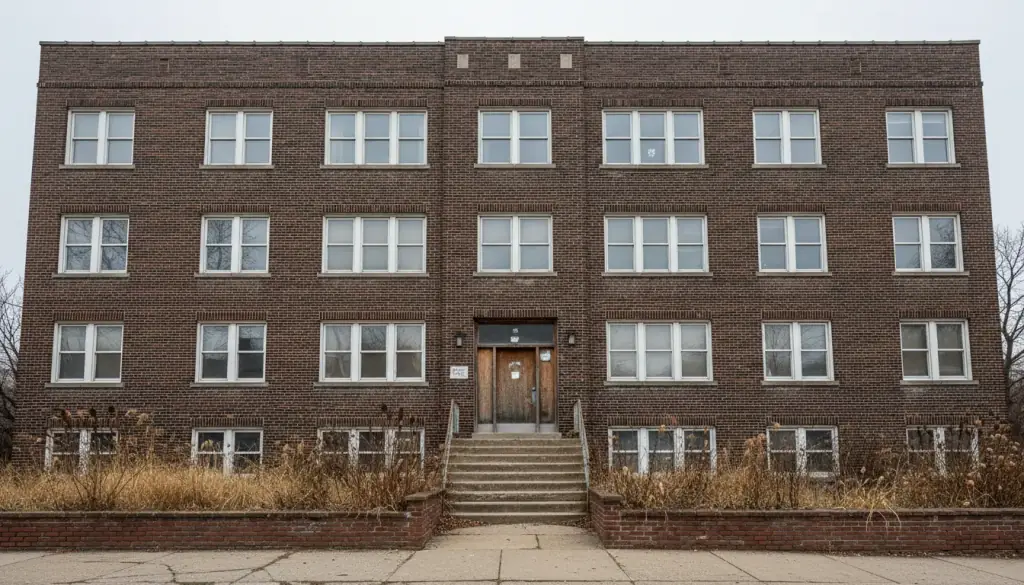
Inheriting a multifamily building is different from inheriting almost anything else. A house you can move into or rent out with a single decision. A stock portfolio you can leave alone or liquidate with a phone call. A small apartment building with tenants in it, a mortgage or lien that may still be attached, deferred maintenance nobody's addressed in years, and two or three siblings who each have a different opinion about what should happen next, that's a genuinely harder situation, and it deserves more than a quick answer.
The first decision: keep it, manage it, or sell it
Heirs of a rental property generally land in one of three places. Some want to keep the building as a long-term investment and either self-manage or hire a property manager. Some want to keep it but recognize none of them actually want to be a landlord, especially from out of state. Some want to sell and split the proceeds as cleanly as possible. None of these is automatically the right answer, and there's no reason to feel rushed into one, but the building's condition, the tenant situation, and where each heir actually lives all push toward one option more than another.
If the building is in good shape, the tenants are stable, and at least one heir is local and willing to manage it, keeping it can genuinely work. If the building needs real repairs, has vacant or problem units, or every heir lives somewhere else, selling usually turns out to be the more realistic path, even if it wasn't the first instinct.
Why inherited multifamily property is disproportionately "distressed"
It's extremely common for an inherited building to have deferred maintenance the previous owner, often aging and managing it alone, simply didn't get to. Roofs that needed attention years ago. A vacancy or two that never got re-rented. Tax bills that fell behind while the owner's health declined. None of that is a reflection on the heirs; it's just what happens when a building outlives an owner's ability to keep up with it. Inherited property that heirs don't want to manage from out of state is one of the most common reasons a building qualifies as distressed in the first place, and it isn't a judgment, it's just a category that describes a challenge to a normal sale, not a flaw in the people involved.
The practical hurdles that are specific to inherited property
- Probate or estate administration may need to conclude, or at least reach a stage where a sale is authorized, before a transaction can close
- Multiple heirs generally all need to agree, or the estate needs a mechanism (an executor, a court order) to sell on their collective behalf
- Title work can take longer on inherited property than on a straightforward resale, especially if the estate crosses state lines
- Unpaid property taxes, code violations, or a lien from the previous owner's final years sometimes surface during title search and need to be resolved before or at closing
None of this is unusual, and none of it should be treated as a reason to panic. It just means an inherited-property sale often takes a bit more coordination up front than an ordinary listing, and it's worth working with people, an estate attorney, a title company, a buyer, who have actually handled inherited multifamily property before and know what to expect.
Why heirs often choose a direct sale over listing
Beyond the emotional weight of managing a parent's or relative's property, there are practical reasons a direct, as-is cash sale appeals to heirs specifically. If the building needs repairs nobody wants to fund out of pocket before a sale, a cash buyer removes that step. If the heirs are spread across different states, a straightforward sale with minimal site visits and a defined closing timeline is far easier to coordinate long-distance than months of showings. And if the building has tenants in it, some heirs would rather not become landlords, even temporarily, while a conventional sale plays out.
None of that means selling directly is automatically the best financial outcome for every estate. If the building is in solid condition, the estate can wait out probate and a normal marketing period, and the heirs are willing to coordinate showings, the open market will very likely produce a higher sale price. The honest answer depends on the building's actual condition and how much time and coordination the heirs are realistically able to put in together.
When siblings disagree about what to do
It's common for one heir to want to keep the building and another to want to sell, and that disagreement can stall a decision for months or years while the property sits, taxes accrue, and deferred maintenance gets worse. There's no shortcut around a genuine disagreement between co-owners, but there is a way to make the conversation more productive: get real numbers for both paths before arguing about which one is right. A heir who wants to keep the building should know honestly what it would cost to bring it up to a financeable, well-managed condition. A heir who wants to sell should know honestly what the building would bring both as a direct as-is sale and as a listed sale after repairs. Arguing over a decision without those numbers usually just repeats the same conversation without resolving it.
If the estate genuinely can't reach agreement and one heir wants out regardless of what the others decide, it's worth knowing that a co-owner can generally sell their share of an inherited interest, or the estate can be pushed toward a partition action in some cases, though that route is slower and more adversarial than most families want. Getting to a shared decision voluntarily, even an imperfect compromise, is almost always faster and less costly than letting the disagreement escalate into a legal one.
What to do before making any decision
Get a clear picture of the estate's legal status first, whether probate has been opened, who has authority to sell, and whether all heirs are in agreement. Get an honest assessment of the building's condition, not a guess, an actual look at the roof, the mechanicals, the unit count and occupancy. Only then compare what a direct sale would realistically bring against what a listed sale might bring after repairs and a normal marketing period. Making that comparison with real numbers, rather than assumptions in either direction, is what actually lets a group of heirs agree on a path forward instead of staying stuck.
It's also worth talking to a probate or estate attorney early, even briefly, just to confirm what authority exists to sell and what documentation a buyer or title company will need to see. Sorting that out before you start comparing offers saves real time later, and it means whoever ends up negotiating on the estate's behalf isn't discovering a legal gap partway through a transaction.
Chaja Properties, Inc. — (818) 518-0740
Call (818) 518-0740More articles
Selling a Distressed Multifamily Building in St. Louis Without Making Repairs First
Deferred maintenance doesn't have to become a repair bill before you can sell. Here's what it actually takes to sell as-is.
Absentee and Out-of-State Owners: Selling a St. Louis Rental You Can't Get To
Managing a rental from another state is hard enough. Selling one shouldn't require you to fly in and out every other week.