Absentee and Out-of-State Owners: Selling a St. Louis Rental You Can't Get To
Managing a rental from another state is hard enough. Selling one shouldn't require you to fly in and out every other week.
August 11, 2026 · 5 min read
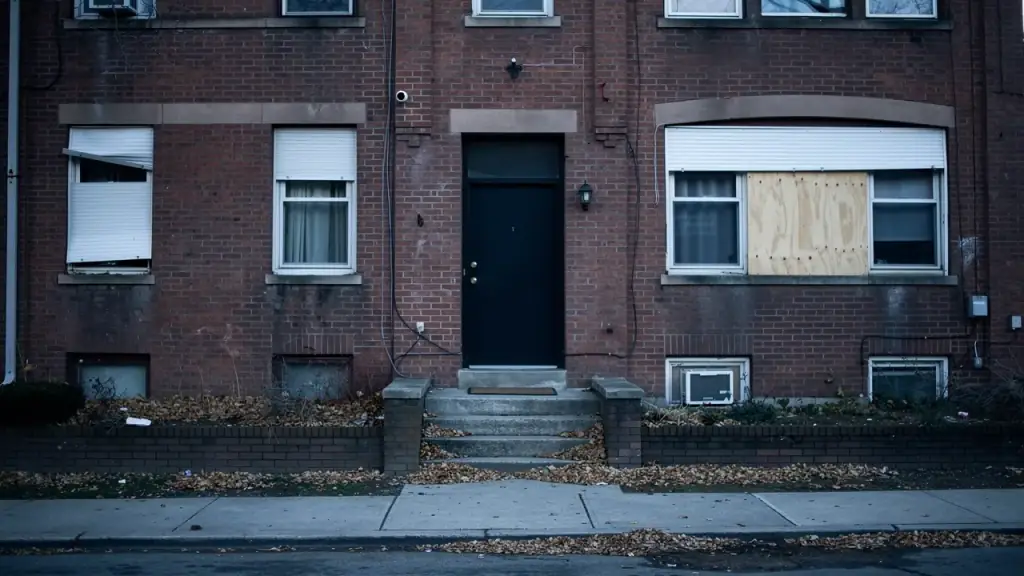
A lot of the multifamily owners we talk to in St. Louis don't live anywhere near St. Louis. Some bought a triplex years ago as a long-distance investment and moved twice since. Some inherited a building from a parent and have never actually walked through it. Some moved out of Missouri for a job and kept the rental because selling felt like more trouble than holding on. Whatever the path, the situation ends up the same: a building sitting in a city you can't get to easily, with problems that are hard to manage from a distance and even harder to solve remotely.
This is a common enough pattern that it has a name in the industry: absentee ownership. It isn't a character flaw and it isn't neglect, most of the time. It's just geography working against you.
Why distance makes an ordinary sale harder
Selling a multifamily building the conventional way, listed with an agent, marketed to buyers who need financing, usually means multiple site visits: an initial walkthrough, a professional inspection, an appraisal visit, buyer showings, sometimes more than one round if financing falls through and the building goes back on the market. Every one of those either costs you a flight or forces you to lean on a property manager or a neighbor who didn't sign up to run your sale for you.
And that's before you get to what usually needs handling on-site: coordinating repairs a buyer's inspector flags, managing tenant access for showings, being reachable during business hours in a time zone that doesn't match yours. None of it is impossible from a distance. All of it is slower, more expensive, and more stressful than it would be if you lived three blocks from the property.
What a cash sale removes from that list
A sale to a buyer paying with their own capital, on an as-is basis, doesn't need a financing appraisal, doesn't need a repair contingency negotiated after an inspection, and doesn't need weeks of buyer showings. That removes most of the trips an absentee owner would otherwise have to make or coordinate. The building is evaluated once, an offer is made, and the sale either moves forward on agreed terms or it doesn't. You aren't managing a drawn-out process from six states away; you're making one decision.
- No financing appraisal to schedule and be present for
- No repair negotiation cycle after a buyer's home inspector walks the building
- No open-ended showing schedule that requires local coordination
- A closing timeline you can plan around, rather than one dictated by someone else's mortgage underwriter
The part nobody mentions: local knowledge still matters
One risk of selling from a distance is that you lose the ability to sanity-check what you're being told about local conditions. A buyer with real St. Louis and St. Louis County multifamily experience knows what a given block, a given block's tenant mix, and a given building's age typically means for value. That local expertise matters most exactly when you can't be there yourself to compare notes with a neighbor or drive the block on a Sunday. Ask questions. A buyer who's actually bought and managed multifamily property in your specific market should be able to walk you through their reasoning on value, not just hand you a number.
When the building is also occupied
Absentee ownership and occupied units often overlap, and it compounds the distance problem. You can't easily manage tenant communication, collect on unpaid rent, or move an eviction through St. Louis County's process from another state. A cash sale to a buyer experienced with occupied multifamily transactions can typically close with tenants still in place, meaning you aren't required to clear the building first, coordinate move-outs remotely, or handle a legal process you can't attend in person.
Closing without ever flying in
A closing on a multifamily property doesn't legally require you to stand in a room in St. Louis. Purchase agreements, disclosures, and closing documents can be signed remotely, funds can be wired directly to your account, and a title company can handle the mechanics of recording the deed without your physical presence. This is standard practice for out-of-state sellers generally, not something unique to distressed or as-is deals. What matters is working with a buyer and a title company that are set up to do this routinely, rather than treating your absence as a complication they've never had to solve before.
Ask directly how they've handled remote closings for other absentee owners. A buyer who's done this before will have a straightforward answer: documents sent electronically, notarization arranged locally on your end if required, funds wired on closing day, confirmation sent the same day. If the answer is vague, or if remote closing sounds like something they're improvising for the first time, that's worth noticing before you commit.
What to actually check before you sign anything
Get everything in writing before you commit to anything, and get it in a form you can review from wherever you are: the offer terms, the closing timeline, and exactly what (if anything) is expected of you between agreement and closing. A legitimate buyer working with absentee owners regularly should have no trouble handling paperwork remotely, coordinating with a title company on your behalf, and keeping you informed without requiring your physical presence at every step.
It also helps to ask who handles anything that comes up on-site between agreement and closing, whether that's a maintenance issue, a tenant question, or a city notice. You shouldn't be the one fielding those calls from another time zone while a sale is in progress, and a buyer experienced with absentee sellers should be able to tell you plainly how that gets handled without your involvement.
If you can wait out a full marketing period and the building doesn't need real work, listing with a local agent and letting the open market compete for it will likely bring a higher price, even managed at a distance. But if the distance itself is the problem, if every phone call from a tenant or every notice from the city feels like a fire you can't actually put out from where you live, a direct cash sale removes the geography from the equation entirely. That's usually the real reason absentee owners reach out: not because the building is worthless, but because managing a sale from somewhere else has stopped being worth it.
Chaja Properties, Inc. — (818) 518-0740
Call (818) 518-0740More articles
Selling a Distressed Multifamily Building in St. Louis Without Making Repairs First
Deferred maintenance doesn't have to become a repair bill before you can sell. Here's what it actually takes to sell as-is.
Inherited a Multifamily Building in St. Louis? What the Heirs Actually Have to Decide
Inheriting a rental building together is rarely simple. Here's how heirs usually work through the decision.