Cash Offer Versus Listing on the Open Market: How to Tell Which One You Actually Want
Neither option is automatically the right one. Here's how to actually tell which fits your building and your timeline.
June 30, 2026 · 5 min read
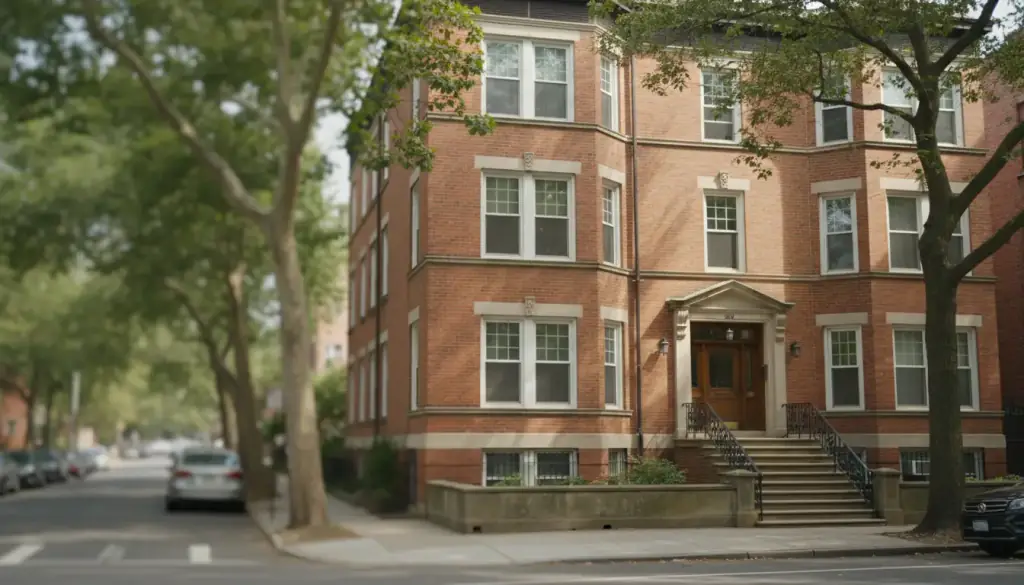
Every multifamily owner in St. Louis considering a sale eventually asks the same question in one form or another: should I take a direct cash offer, or should I list this with an agent and let the open market decide? It's a fair question, and the honest answer is that it depends on the specific building, not on which option sounds better in the abstract. Anyone telling you one path is always right for every property isn't giving you the full picture.
What the open market is actually good at
If your building is in good condition, the roof, HVAC, plumbing and electrical are all sound enough to pass a lender's underwriting, the units are occupied by current, paying tenants (or vacant and market-ready), and you can afford to wait out a normal marketing and closing timeline, listing conventionally will very likely get you a higher final price. That's simply how a competitive market works: more potential buyers, including owner-occupants and buyers using financing who can outbid an all-cash offer, means more upward pressure on price. A typical process runs somewhere in the range of ninety days from listing to close once you account for marketing time, negotiation, inspection, appraisal and financing contingencies. If you can genuinely wait that long and the building doesn't need work, that's usually the stronger financial outcome.
What a direct cash sale is actually good at
A cash sale is built for a different situation: buildings that carry deferred maintenance a traditional lender won't finance around, vacant or partially vacant units draining cash flow instead of producing it, problem tenants or an eviction backlog that's worn an owner down, an inherited property heirs don't want to manage from out of state, or rising taxes, insurance and code violations that are outpacing what the building brings in. In any of those situations, a conventional listing doesn't just take longer, it often doesn't work at all until the underlying problem is fixed, which usually means spending money and time you may not have or want to spend on a building you're trying to exit.
A cash buyer closes as little as seven to twenty-one days, buys the building in its current condition without a repair contingency, and doesn't need the sale to clear a lender's underwriting standards because there is no lender in the transaction. That speed and certainty come at a cost, the price reflects the building's actual condition and the risk the buyer is taking on, but for an owner whose real priority is getting out cleanly and quickly, that tradeoff is the whole point, not a hidden downside.
A straightforward way to think about it
- Building in good condition, tenants current, you can wait roughly ninety days: listing on the open market will likely net more
- Deferred maintenance a lender would flag, and no budget to fix it before selling: a direct cash sale avoids repair costs and financing delays entirely
- Vacant or problem-tenant units with an eviction in process: a cash sale can close with the situation as it stands, no waiting on the court calendar
- Inherited or absentee ownership with limited time or ability to manage a drawn-out process: a cash sale minimizes site visits and coordination
- Rising taxes, insurance, or code violations eating into what the building is worth to you: speed may matter more than maximizing the last few dollars of price
The market context worth knowing either way
St. Louis multifamily has moved in a specific direction recently. Median sale price per unit is up about 23% year over year, running roughly $207,900 in early 2026, and cap rates on multifamily assets have been running in the 5.0% to 7.0% range. New construction has slowed noticeably, completions are down nearly 40% this year, and units currently under construction are running about 32% below the ten-year average, which means older Class C buildings are changing hands more frequently than they otherwise would. None of that guarantees a specific number for your building, but it's useful context: distressed multifamily property in St. Louis is not sitting in a dead market. There's real buyer demand on both sides of this decision, cash and conventional.
The most useful thing you can do before deciding is get an honest look at both numbers side by side: what a direct cash offer would actually pay today, and a realistic estimate of what the building would net after repairs, holding costs, and agent commission on a conventional sale ninety days from now. Compare those two real numbers, not a hopeful guess against a certain one, and the right choice for your specific building usually becomes obvious. There's no shame in either answer. The building, the timeline, and what you actually need from the sale are what decide it, not which option sounds more sophisticated.
Questions worth asking before you commit either way
- Would this building's roof, HVAC, plumbing and electrical actually pass a lender's underwriting today, or would a conventional buyer's financing likely stall on it
- How many months can I realistically carry taxes, insurance and any vacancy while a conventional listing runs its course
- Am I in a position to fund repairs a buyer's inspector is likely to flag, or would I be negotiating those costs out of my proceeds at closing
- If tenants or an eviction are part of the picture, am I willing and able to see that process through before listing, or would I rather transfer that as part of the sale
Answering those honestly, on paper, before you talk to anyone about listing or selling, tends to make the decision clearer than any amount of general advice can. A building in genuinely good shape with a patient owner behind it belongs on the open market. A building carrying real, specific problems, the kind that keep it from selling easily as-is, is exactly what a direct cash sale exists to solve. Knowing which one describes your situation is most of the decision already made.
Chaja Properties, Inc. — (818) 518-0740
Call (818) 518-0740More articles
Selling a Distressed Multifamily Building in St. Louis Without Making Repairs First
Deferred maintenance doesn't have to become a repair bill before you can sell. Here's what it actually takes to sell as-is.
Absentee and Out-of-State Owners: Selling a St. Louis Rental You Can't Get To
Managing a rental from another state is hard enough. Selling one shouldn't require you to fly in and out every other week.